Project
Words as Worlds
Language, Identity and Inclusion in Youth Work
Words as Worlds is an Erasmus+ KA220-YOU Cooperation Partnership coordinated by eSquare e.V. The project explores how language shapes meaning, identity, inclusion, exclusion, boundaries and belonging in international youth work contexts. Through research, training courses, webinars, local testing and tool development, the project supports youth workers and youth organisations in working with language as a creative, social and cultural force.
Overview
Quick
Facts
Programme
Erasmus+ KA220-YOU Cooperation Partnership
Project number
2025-1-DE04-KA220-YOU-000362491
Duration
01 September 2025 – 31 January 2027
Coordinator
eSquare e.V., Germany
Partner countries
Germany, Ireland, Spain, France
Main fields
Youth work, language, identity, inclusion, non-formal education, creative learning
Status
Ongoing
About
About the
Project
Words as Worlds is a creative learning project that explores how language shapes meaning, identity and reality. Through words, we tell stories. Through stories, we understand ourselves and others. Through meaning, we build worlds.
In this project, language is not only a tool for communication. It is something we experience, question and re-imagine together. The project invites participants to look at how words can connect or divide, include or exclude, open space for dialogue or close it.
Words as Worlds supports youth workers, educators, trainers, facilitators and youth organisations in developing practical instruments to address language-related challenges in educational and social contexts.
Context
Why this project
exists
Words are powerful. They can connect or divide. They can include or exclude. They can open space for dialogue — or close it.
The project exists to help participants become more aware of language, use words consciously and creatively, and explore meaning beyond labels and definitions. It responds to the need for more human-centred, creative and practical approaches to language in youth work and education.
Timeline
Project
Journey
- 01
Research and needs mapping
Before the first training course, partner organisations conducted research to better understand the needs and challenges connected to language. The research focused on how people experience language in everyday life, education and social spaces, and where misunderstandings, exclusion or barriers most often appear.
- 02
Training Course 1 — Germany
17–23 February 2026 · Mühlhausen, Germany
The first training course opens the project’s learning process. Participants explore language through experience, stories, creative methods and interaction. They begin developing practical instruments that address language-related challenges in educational contexts.
Infopack - 03
Webinars and online exchange
After the first training course, participants continue working together through webinars and online exchange. These sessions support reflection, peer learning and further development of the instruments.
- 04
Local testing
Partners and participants test the developed instruments in real educational and youth work contexts. This phase helps identify what works well, what needs adaptation and what new needs emerge in practice.
- 05
Training Course 2 — Spain
31 August – 6 September 2026 · Benalmádena-Costa, Málaga, Spain
The second training course brings participants back together to reflect, evaluate and improve the instruments developed during the first phase. Participants analyse local testing feedback, refine the tools and prepare the next steps of the project.
Infopack - 06
Final toolkit and methodology
The final instruments, together with the methodology and learning outcomes, will be collected in a toolkit. The toolkit will reflect the full process: from research to training, testing, evaluation and final results.
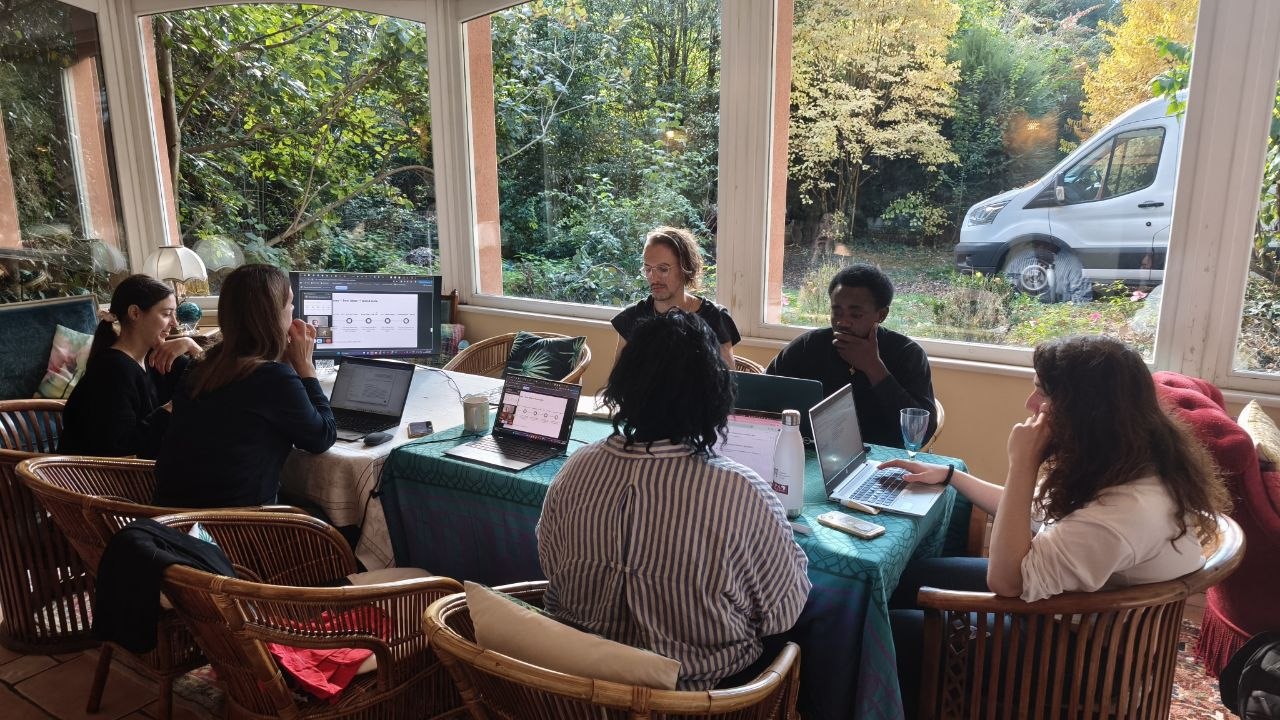
Gallery
Project
Moments
Outputs
What we
create
Audience
Target
Groups
Results
Expected
Results
- Research and needs mapping results
- Practical instruments for language-conscious youth work
- Tested local activities
- Webinar reflections and peer learning outcomes
- Final toolkit
- Methodology
- Learning outcomes and dissemination materials
Resources
Downloads and
Resources
Words as Worlds will develop practical and transferable results for youth workers, educators and youth organisations. Infopacks, toolkit materials and methodology documents will be added during implementation.
Open Opportunities
ACT & EMPOWER and more open calls — apply now.
Stay Informed
Stay in the Loop
Updates on open calls, training courses, educational resources, and local activities. No spam.
No spam. Unsubscribe anytime.